
Blockchain technology, once heralded as a game-changer poised to disrupt traditional industries, has found itself amidst a chorus of skepticism in recent years. Some naysayers have gone as far as labeling it a failure. However, beneath the surface, the blockchain narrative is far more complex than it may seem. Let's delve into why people think blockchain is a failure and why, in reality, it is not.
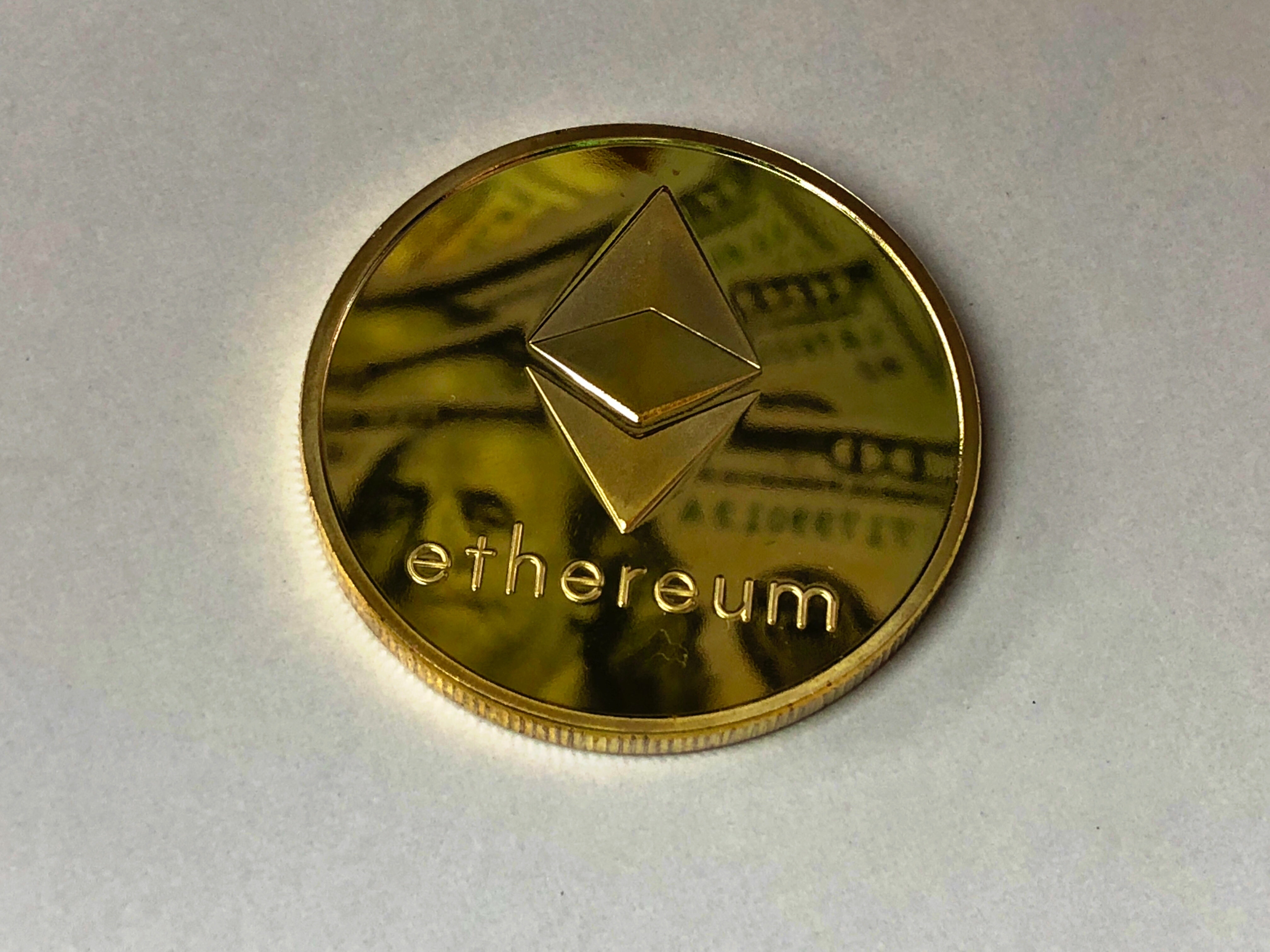
Perception of Failure
1. Hype vs. Reality: Blockchain was introduced to the world with grandiose promises of transforming industries, but progress has been slower than expected. Many view this as a failure to live up to the initial hype.
2. Misguided ICOs: The Initial Coin Offering (ICO) craze of 2017 saw countless blockchain startups raise substantial funds, only to later fizzle out due to lack of substance or regulatory issues. These instances tainted the technology's reputation.
3. Scalability Challenges: Bitcoin and Ethereum, two of the most prominent blockchain platforms, have struggled with scalability issues, leading to slow transaction speeds and high fees.
4. Lack of Mass Adoption: Despite years of development, blockchain has not achieved widespread adoption in everyday applications, leaving some to question its practicality.

Why Blockchain Is Not a Failure
1. Maturation Takes Time: Complex technologies require time to mature. The internet itself faced skepticism in its early days, but it eventually transformed the world. Blockchain is following a similar trajectory.
2. Real-World Use Cases: While some blockchain projects have faltered, others are thriving. Industries like supply chain management, finance, healthcare, and voting are actively exploring blockchain solutions to enhance transparency, security, and efficiency.
3. Innovations Beyond Cryptocurrency: Blockchain's potential extends beyond cryptocurrencies. Smart contracts, for example, are self-executing contracts with the terms directly written into code, offering new possibilities for automation and trust.
4. Evolving Ecosystem: The blockchain ecosystem is continually evolving. Solutions to scalability issues are being developed, and new platforms are emerging with improved features.
5. Regulatory Clarity: As governments and regulators establish clearer guidelines for blockchain and cryptocurrencies, the industry is gaining stability and legitimacy.

Conclusion: The Promise Persists
While blockchain may not have fulfilled every lofty expectation, it is by no means a failure. It is a technology in transition, much like the internet in its early days. The real value of blockchain lies not just in cryptocurrencies but in its potential to reshape the way we conduct business, secure data, and build trust in an increasingly digital world.
As blockchain continues to mature, we can expect to see innovative use cases emerge, scalability challenges addressed, and broader adoption across various industries. So, while the blockchain journey may have been arduous, the promise of its potential persists, and it is far from being labeled a failure. It is, in fact, a technology with the power to redefine the future.